Recycling and Sustainability at Stepney Storage
 At Stepney Storage, sustainability is not treated as an extra feature; it is built into how the site operates day to day. Our approach to recycling is designed to support customers who want cleaner, more efficient storage while keeping environmental impact as low as possible. From improved waste sorting to smarter transport choices, the focus is on practical action that helps reduce landfill use and encourages a circular approach to materials.
One of our core aims is to meet a recycling percentage target of 90% for recoverable operational waste. That means as much non-hazardous material as possible is separated, sorted, and directed toward reuse or recycling streams rather than disposal. This target reflects a wider commitment to responsible storage services and a greener supply chain. By working toward a high recycling rate, Stepney storage solutions can support both local environmental goals and the needs of customers who care about sustainable choices.
 Our recycling practices are also shaped by the local context. In East London, boroughs increasingly encourage clear waste separation, with household and commercial collections commonly divided into paper, mixed dry recyclables, glass, food waste, and residual waste. Stepney Storage aligns with this practical separation mindset by keeping recyclable materials distinct wherever possible. That includes cardboard from packaging, plastic wrap, broken-down pallets, and mixed office materials that can be sent to appropriate transfer stations instead of being treated as general waste.
To support these efforts, we use local transfer stations that help keep journeys short and reduce unnecessary emissions. Working with nearby facilities means recyclable loads can be moved efficiently and sorted closer to the source. This is especially important for a busy urban area where road congestion can increase transport-related carbon output. By choosing local recycling routes, Stepney storage recycling becomes part of a lower-impact system that values both convenience and environmental performance.
Our operational methods also include careful handling of different waste types. Cardboard is flattened and separated for fibre recovery, shrink wrap and soft plastics are collected for specialist processing, and metal items are directed into recycling channels where they can be transformed into new products. Where suitable, reusable packaging materials are retained for future use, reducing the need for fresh supplies. These small, routine steps add up to a meaningful sustainability benefit across the site.
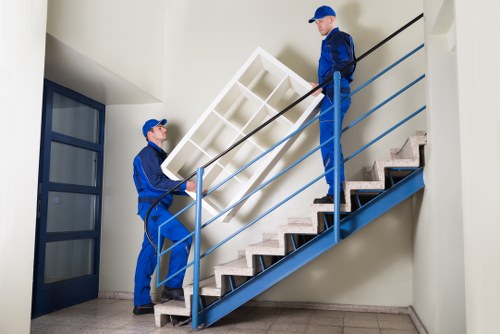
 Partnerships play a key role in making this possible. Stepney Storage works with charities and community organisations that can benefit from donated items no longer needed by customers or from surplus operational goods. Furniture, household items, books, and office equipment may be passed on for reuse when they are in good condition, giving materials a second life and reducing waste. This charitable reuse model is an important part of our recycling and sustainability strategy because it prioritises usefulness before disposal.
We also recognise that sustainability depends on transport as much as waste handling. That is why our fleet includes low-carbon vans designed to reduce emissions on local journeys. These vehicles help lower the environmental footprint of collections, deliveries, and on-site movements. Choosing cleaner transport is especially valuable in a dense urban environment where even short trips can contribute to air quality concerns. For customers, this means storage services supported by a greener logistics network.
In addition, route planning is used to make journeys more efficient, cutting down on unnecessary mileage and idling time. Combined with low-carbon vehicles, this creates a practical system that reduces fuel consumption while improving service reliability. Sustainability at Stepney Storage is therefore not limited to what happens at the end of the waste chain; it is built into how goods move through the site and across the boroughs we serve.
We also promote a workplace culture that supports responsible sorting. Staff are trained to distinguish recyclable materials from general waste and to recognise items that can be reused or donated. In an area where borough approaches to waste separation can vary slightly, this consistency matters. Clear internal practices make it easier to keep materials out of the residual waste stream, helping maintain a higher recycling rate and a more organised storage environment.
 Beyond recycling, our sustainability thinking extends to procurement and daily operations. We aim to choose durable materials, minimise single-use items where possible, and maintain equipment to lengthen its working life. These choices reduce the need for replacement purchases and cut down on embedded carbon. In storage terms, a well-maintained facility is not only more efficient but also less wasteful, supporting a cleaner and more responsible service model.
For customers using Stepney Storage, this greener approach offers a straightforward benefit: storage that fits modern environmental expectations without compromising practicality. Whether items are being held for business, household, or transitional needs, the same principles apply. Materials are handled carefully, recyclable items are separated, and recoverable goods are routed toward reuse or appropriate processing wherever possible.
 Looking ahead, Stepney Storage will continue refining its storage recycling practices and strengthening partnerships that support a more circular local economy. By aiming for a high recycling percentage, working through local transfer stations, collaborating with charities, and using low-carbon vans, we are building a more sustainable service for the community. Small actions, repeated consistently, create real environmental progress—and that is the standard we aim to keep raising.